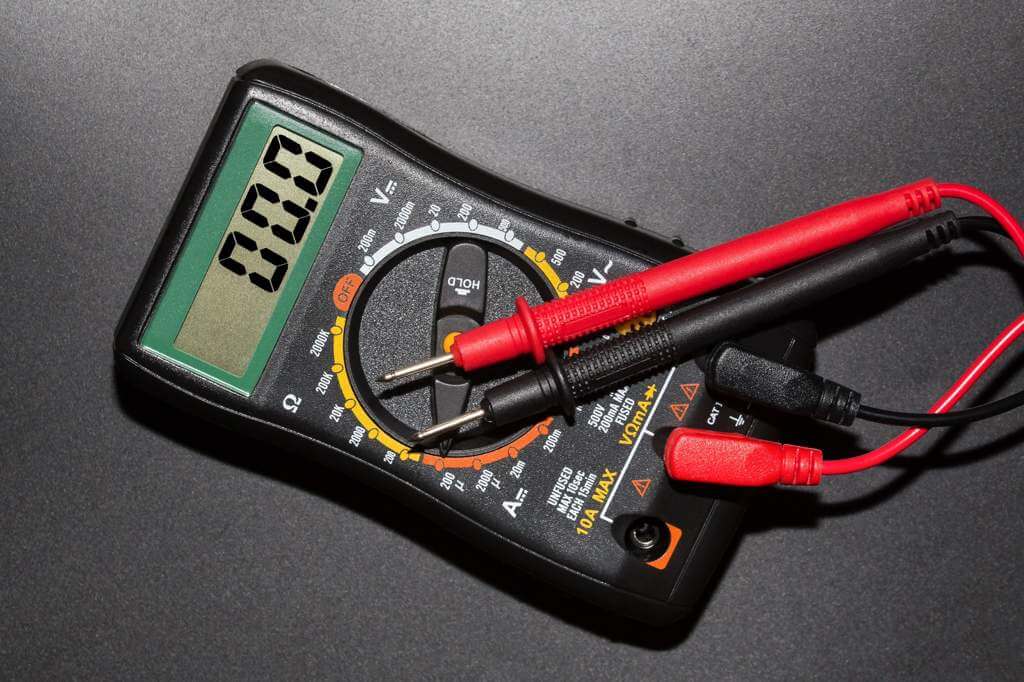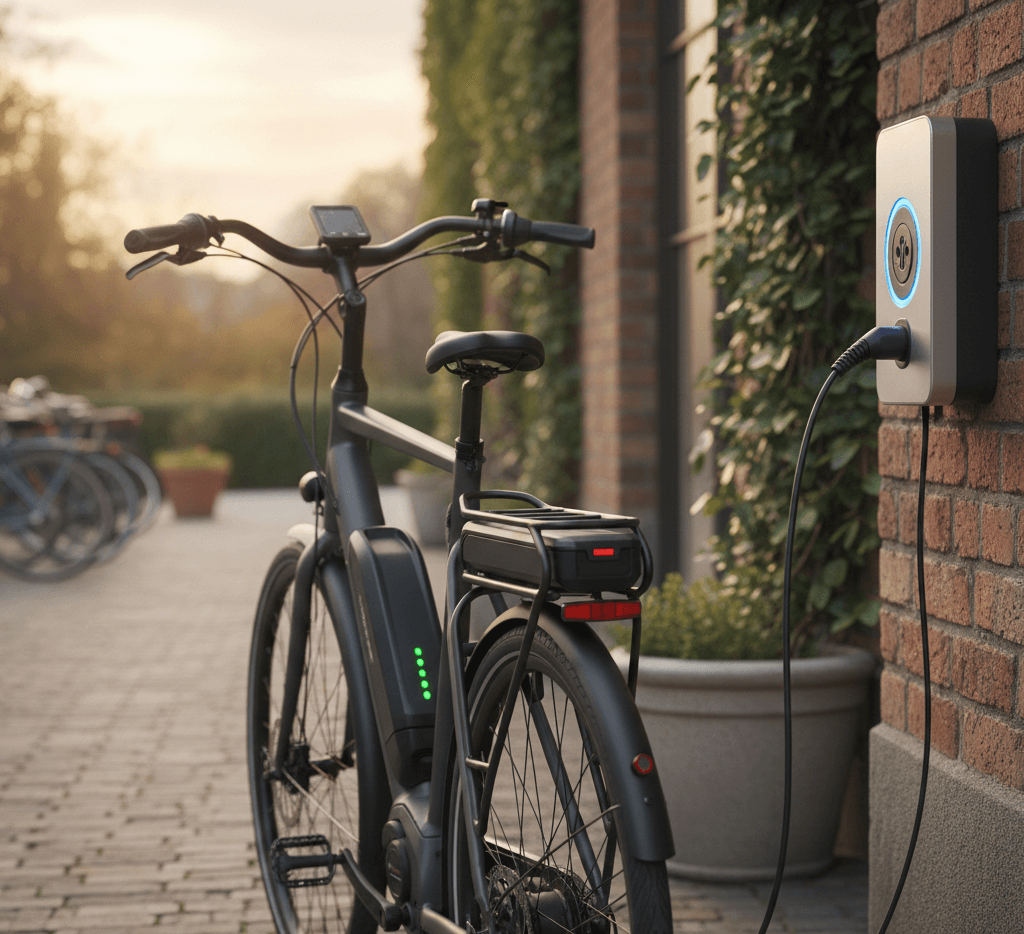
Maintaining a good charging culture is always beneficial to your e-bike battery performance. As newer chargers and bigger batteries hit the market, questions have begun to arise.
Should you fast charge or slow charge your e-bike battery? Which one is better? In this blog post, we will discuss the difference between these two methods of charging. Focusing on the lithium-ion battery, we will discuss the long-term benefits of charging the right way.
What Is Slow Charging?
Slow charging applies a gradual energy addition method. This is a process where low current is delivered to the battery. In the case of e-bike charging, this process can take anywhere from 5 to 8 hours. This method of charging allows your e-bike battery to charge without overheating.
For slow charging, the manufacturer-approved charger typically has a current of 1A to 2A for a commuter e-bike, while a mid-range e-bike requires a current of 2A to 3A. This type of charging prevents battery cells from degradation and ensures the longevity of your e-bike battery.
Advantages of Slow Charging
- Improve battery health and durability.
- Prevent chemical reactive damage, especially for lithium-ion batteries.
- Curtail internal resistance and heat.
- Best option for overnight charging.
- Impressive choice for daily use.
Disadvantages
- Longer time before full charge
- Not the best for a quick trip.

What Is Fast Charging?
Fast charging is possible with the use of a higher-output charger. This type of charger is found in performance e-bikes.
They have a 4A-6A with high voltage, which charges twice or three times faster than the low-output charger. Fast charging pushes more current into the battery until it’s fully charged in a short period.
Advantages of Fast Charging
- Best for commuters who charge at various locations such as offices or cafes.
- Perfect for long-distance rides, as you can charge on the go.
- Allow you to charge faster, therefore saving you time.
Disadvantages
- Fast charging causes heat generation within the battery cell.
- Reduction in the battery performance by 10%
- Cause the lithium ion within the battery cell gradually breaks down.
- Not an everyday option.
Heat: The Silent Battery Killer
High temperatures are one of the biggest enemies of a lithium-ion battery. Fast charging causes heat buildup in the cells, leading to premature wear of the lithium-ion battery.
At 60-80% charge, the internal resistance of the battery increases, which potentially leads to overheating. If you have ever tried charging your e-bike and the battery got warm, then you need to check your charger or charging method.
You might also want to see our full guide on how to repair faulty battery
Fast Charging vs. Slow Charging: Side-by-Side Comparison
| Feature | Slow Charging | Fast Charging |
| Speed | 3–7 hours | 1–3 hours |
| Heat Production | Very low | High |
| Battery Lifespan | Excellent | Moderate |
| Safety | Very high | Depends on charger quality |
| Daily Use | Best | Not recommended daily |
| Best Use Case | Overnight charging | Emergency or quick top-ups |
Which One Is Best for Your E-Bike?
To decide the best charging method, your need comes first. Although every option has its disadvantages, it is essential to prioritise what you need to make a smart decision. Here’s a breakdown of where long and short charging wins.
For Long-Term Battery Health: Slow Charging Wins
If you prioritise a long-lasting e-bike battery that will last for 3-5 years, slow charging should be your everyday charging pattern.
Convenience: Fast Charging wins.
If you don’t want to waste hours charging, and you can spare 3-4 hours of charging, the fast charging method will serve you better. Occasional use of the fast charging method doesn’t have to cost your most prized e-bike asset. Below are ways to implement fast charging without sacrificing battery performance
- Do not fast charge on hot days.
- Charging should stop at 80% to minimise internal resistance, which can lead to pressure within the battery cells.
- Never fast charge a battery that is below 20%.
For Daily Commuting: both wins
Slow charging and fast charging can be utilised by active riders who use e-bikes for daily errands, commuting to work, or delivery businesses. You can charge your bike at home overnight or while you’re at work once or twice a week.
When Fast Charging Becomes a Problem
Avoid fast charging if:
- Do not charge your e-bike battery when it feels hot.
- When the battery is physically distorted or damaged.
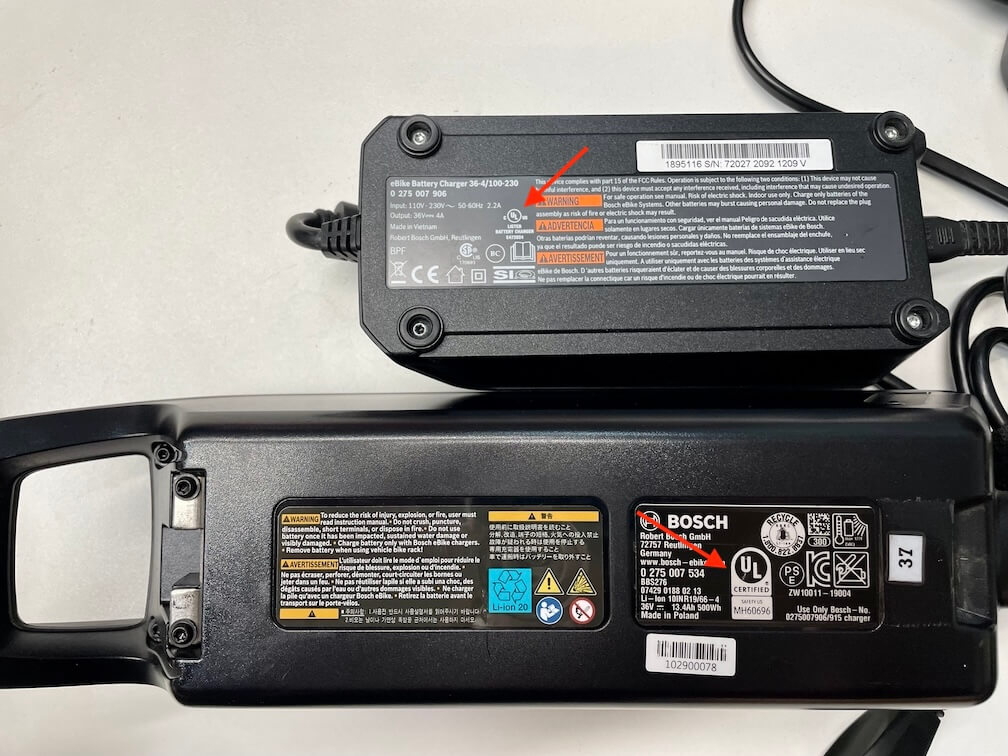
- The battery isn’t certified or recommended by the manufacturer.
- You keep your e-bike in unfavourable conditions or temperatures.
- The e-bike battery has been in use for 3 years.
Pro tip: Fast-charging an old battery might lead to quick damage or even an explosion. Avoid this situation whenever possible.
Charging Tips to Maximise Your Battery Life
These tips will keep your e-bike battery in good shape and obtain optimal performance if followed.
1. Charge at room temperature (15°C–25°C)
Never charge a battery that is frozen or overheated. A cool temperature is perfect for e-bike charging and storage.
2. Use the manufacturer-approved charger
Using a cheap and uncertified charger is risky. This is because the higher the inconsistent voltage, the bigger the chance of battery cell degradation.
3. Avoid leaving your battery at 100% for long periods
It’s best to plan your charging based on your next trip. If you have no long trip planned, avoid charging your e-bike until 100%. An 80% charge is safe for your electric bike battery.
4. For long-term storage
If you won’t be using your e-bike anytime soon, ensure it’s charged to 60%. This charge should be monitored and topped up every 3 months.
FAQ: Fast vs. Slow Charging for E-Bikes
Is fast charging safe for e-bike batteries?
Yes, fast charging is safe as long as you avoid overheating and also use a certified charger.
Does slow charging extend battery life?
Certainly, it does. This is because it keeps the battery cell relaxed rather than stressing it.
How often should I fast-charge my e-bike?
Fast charging should be done once or twice a week. Consistently fast-charging your e-bike battery can lead to a decline in performance.
Do fast chargers void e-bike warranties?
Not always, this depends on your e-bike brand and model. Check your manual to confirm if 3rd party fast charging is prohibited.
Does fast charging give more range?
No, range is dependent on the battery capacity. Fast charging only shortens your charging time.
Conclusion: Which Should You Choose?
Whether you’re using slow charging or fast charging, your e-bike deserves the best charge. On busy days or in emergencies, you can rely on fast charging to get the job done. Although this option is not an everyday choice, it will serve you temporarily.
Unlike fast charging, slow charging is safe and also cost-effective for most riders. For riders who seek a battery with better performance and health, the winner will be the one with slower charging.