Range anxiety is a common challenge faced by e-bike riders, especially when planning a longer trip. The uncertainty of how long your battery can last may distract from the fun of the ride. If you have ever watched your e-bike battery drop faster than you expected, you are not alone.
In this blog post, we will explore real factors that drain batteries faster than expected. We will further explain what causes your fast battery consumption. Finally, we will provide you with actionable and professional tips that will help you in maximising your battery range.
Do you have an e-bike tour planned for a long distance? Don’t worry, these tips will help you ride more efficiently by reducing battery stress and extending the e-bike’s longevity.
Understanding the Key Factors That Impact E-Bike Range
Several factors are true determinants for maximising e-bike battery range. Below is a list of factors that impact your e-bike performance:
- Riding style: Mountain and city riders who engage in high-speed racing, aggressive acceleration and sudden braking tend to consume battery. Unlike riders who practise travel on flat terrain.
- Battery capacity: This is crucial to your e-bike range. The bigger the battery capacity, the more energy your e-bike can produce.
- Motor power and pedal assist levels: the higher the pedal assist you engage, the faster you drain your e-bike battery.
- Tyre pressure and drivetrain friction: An underinflated tyre and a dirty chain increase the resistance level. This eventually raises the demand for battery power.
- Terrain and gradient: Hilly terrain requires more battery power compared to flat and smooth terrains.
- Weight: Giant riders or delivery riders with heavy loads tend to exhaust their e-bike battery power more quickly than riders with light loads.
- Temperature: Extreme temperatures, such as cold or hot weather, can cause permanent damage to the battery cell. This eventually led to a sharp decline in the e-bike battery efficiency.
- Accessory: Adding too many accessories, such as lights, displays, and other powered devices, leads to power withdrawal from the battery.
- Regenerative battery: This is a new feature in e-bikes which is not common, but if your e-bike has this feature, you might have a longer e-bike range. This feature allows you to conserve battery power when you decelerate or apply the brake.
E-cyclists have underestimated these factors, often failing to account for them when calculating their e-bike range.
Real Pain Points from Riders
To better understand the real pain points of e-bike owners, we used a poll to collect data on the common battery range problem faced by riders. In this survey, many e-bike owners have mentioned their frustrations and below are recurring challenges:
- Overpromised range Vs real-world results: Many e-cyclists confirmed that the advertised range by most e-bike brands is not accurate. This is possible because manufacturers only consider ideal conditions.
- Battery degradation: Riders have observed that after a few years of use, their battery becomes less efficient compared to when they first purchased it. The cost of battery replacement is a concern for riders.
- Heavy e-bike accessories drastically drain the e-bike battery, making it difficult for riders to use their add-ons after purchase.

Practical Strategies to Maximise E-Bike Battery Range
Based on riders’ feedback, professional guidance and how batteries operate, we have deduced some actionable tips to prevent common issues. Below are tips to help you make the most of your e-bike battery and range.
1. Optimise Your Charging Habits
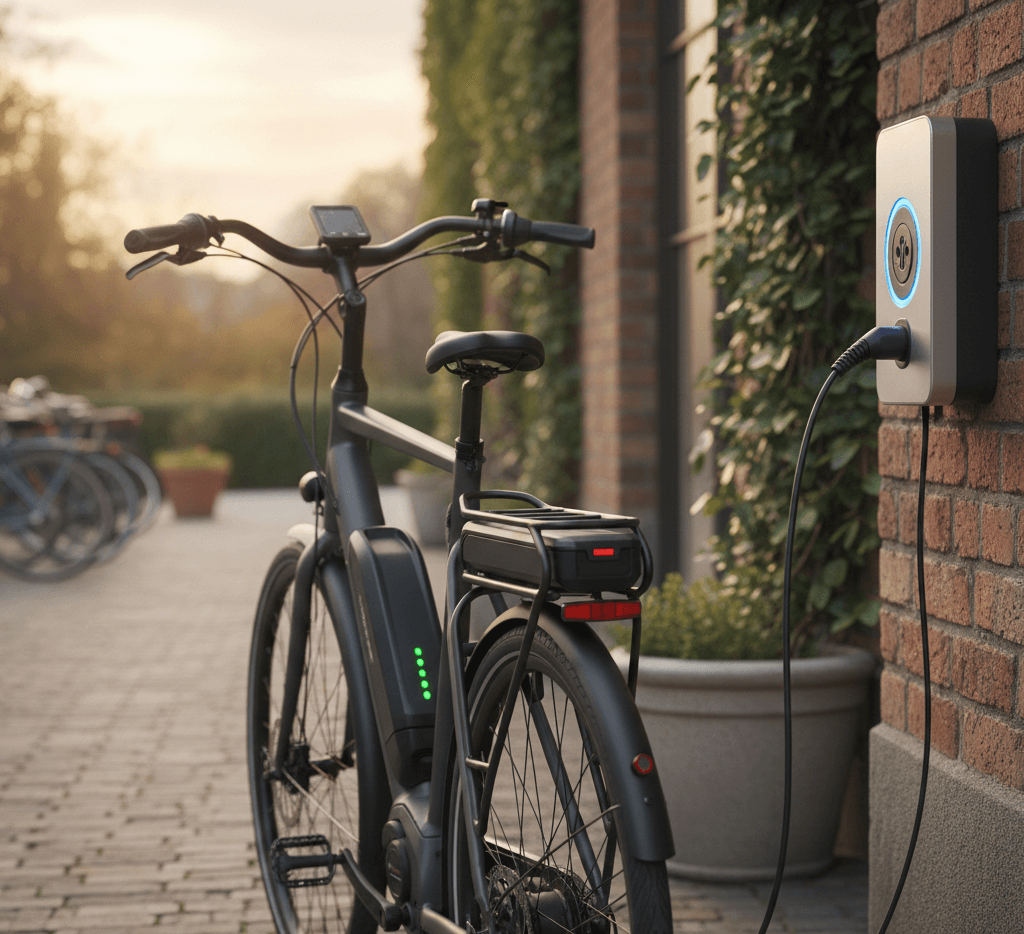
- Avoid using a generic charger for your e-bike. Using a cheaper or wrong charger has been a major cause of battery degradation for a long time. To avoid battery problems, it is recommended to use the manufacturer’s charger.
- Develop the habit of waiting for at least 30 minutes before plugging your e-bike after a hot day’s ride.
- For permanent storage of your e-bike or e-bike batteries, charge at least 60% before storage.
- Unlike the popular myth of keeping your e-bike battery at 100% at all times, having a moderate window is a better choice. You don’t want your battery to drop below 20%. Professionals have recommended a charge window of 20% to 80%.
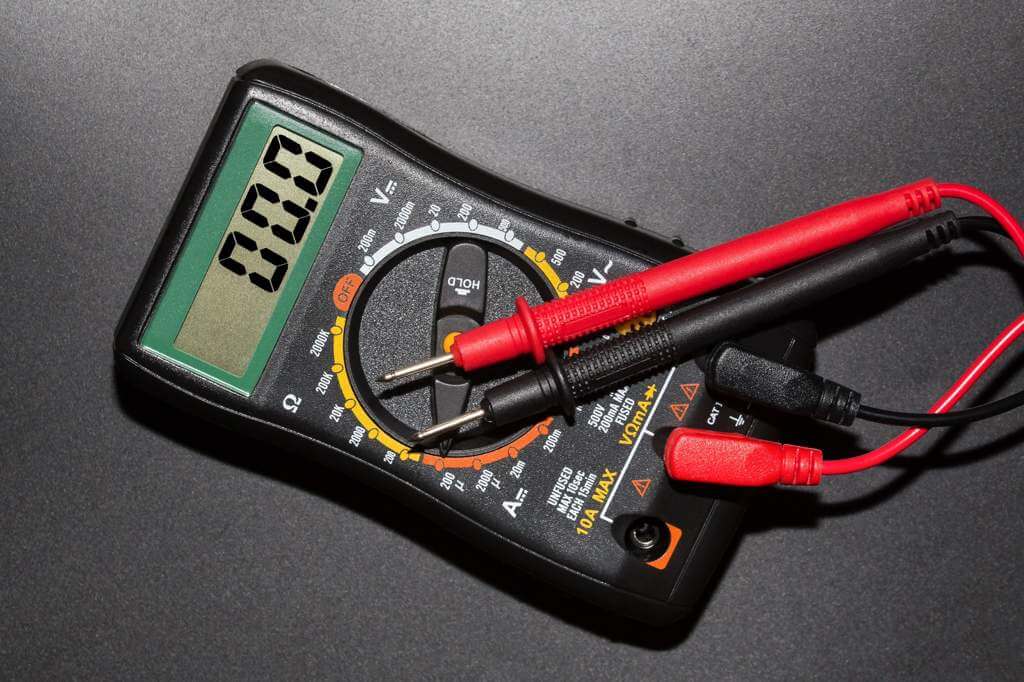
- Calibration of the battery monitor is also crucial. Select a convenient time, either monthly or annually, to do a charge and discharge cycle. This will help to recalibrate the battery.
Pro tip: For battery longevity, maintain a consistent 80-90% charge to minimise battery degradation due to internal pressure.

2. Ride Smart: Choose the Right Assist Level
- Using low assist mode helps maintain good battery use. Riding in eco mode only consumes about 1W, while sport mode will consume more. Except when riding on a hilly surface where you need extra assistance, you should stay in the eco mode.
- Aggressive riding isn’t a great ride style for your e-bike battery. Try to follow a slow and steady speed. This way, you can maintain your e-bike battery and cover distance.
- To properly optimise efficiency, you should maintain a 60-80 RPM. A steady cadence helps to ensure better battery performance.
- Try to be an active rider who pedals often. The less work you give to your e-bike motor, the less power it requires.
3. Be Aerodynamic and Reduce Drag
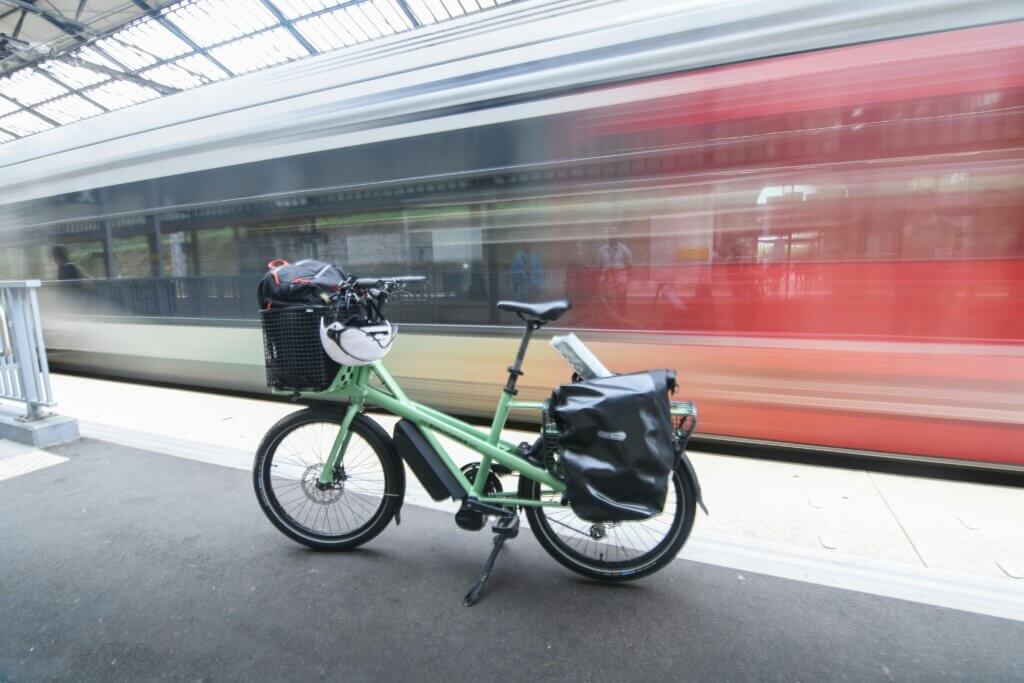
Proper body positioning is crucial for an open-road ride. Tucking yourself while riding will reduce the wind resistance level.- Heavy accessories such as racks, panniers, and baskets add extra weight to the e-bike. This, in turn, leads to faster battery drainage. Lightweight accessories are a better option as they do not cause the e-bike to exceed its load capacity.
4. Optimise Weight: Rider and Cargo
- Reduce the load you carry, especially if you run a delivery business. Calculate your load and cargo weight and compare it to your e-bike’s load capacity. If the weight is lower than the manufacturer’s load capacity, then it is easy for your battery to propel you forward.
- Pay attention to your e-bike tyre pressure to ensure that there’s no high rolling resistance, which can affect your bike range. Use the manufacturer’s recommended PSI.
- Incurcate the habit of lubricating your drivetrain to reduce friction on the chains and also to prevent misalignment of any part. Reduced friction saves more battery power.
5. Plan Your Routes Strategically
- Hilly terrain is one of the fastest ways of draining an e-bike battery’s power. This battery killer can be avoided by planning your route to reduce steep climbs when possible.
- Another battery killer is the stop-and-go traffic. If you can minimise your braking and re-acceleration, then you can improve your battery range.
- Check the wind direction to prevent a heavy battery sap. It’s best to plan a ride that reduces wind resistance.
6. Manage Temperature
Avoid exposing your e-bike battery to extreme temperatures. For a winter or summer ride, a lithium battery may perform more poorly. This is why you should keep your e-bike in a cool place after riding.
7. Monitor and Maintain Your Battery
- Poor maintenance is a major contributor to poor battery performance. Take time to clean the battery contact, check for possible damage and ensure that your battery is securely mounted.
- Monitor your e-bike’s range data; this way, you can identify what is depleting your battery. The use of your app makes it easy for you to get updates on distance covered, energy consumption and assist-level pattern.
- Replacement is a better choice if the battery performance has dropped drastically. You can also go for a refurbished option using a specialised service.
8. Accept Realistic Range Expectations
It’s crucial to test ride before purchasing; this way, you can know your e-bike battery capacity. Remember, the range stated by manufacturers is often estimated based on normal situations. It is in no way personalised to your riding style.
Create your own logs, test your e-bike under different conditions and decide your expected range. If you have a long trip planned, carrying a spare battery is a bad idea. You can also upgrade your motor to ensure efficiency and better battery performance. Upgrading your battery capacity is also a good option, but it can be costly.
Common Myths & Misconceptions
- “Always charge to 100%!”
- Professional riders advise against charging to 100%. This is because it mounts pressure within the cell of the battery. Therefore, this is not necessarily true.
- Although advancement in battery technology is also changing things. Some modern batteries are designed to buffer the stress that can be put on an e-bike battery every time it reaches 100%.
- Professional riders advise against charging to 100%. This is because it mounts pressure within the cell of the battery. Therefore, this is not necessarily true.
- “If I ride at top speed, I’ll get more done faster — why not?”
- You will indeed cover more distance at a higher speed, but you will also run out of power fast. Slowing down by just 25% is an excellent way to improve your range and still enjoy maximum speed.
- “My range is bad because the battery is low quality.”
- Sometimes yes, but there are other reasons that many riders don’t take into consideration. Riding habits, route choices and weather are sometimes the real culprits. Before blaming your battery, check for these factors.
Putting It Into Practice: A Sample “Range Maximise” Checklist
To successfully maximise your e-bike battery range, here’s a table with a few tasks to be carried out :
| Task | Why It Helps |
| Pre-ride: Inflate tyres | Reduces resistance, and energy use is more efficient. |
| Pre-ride: Check assist mode & battery % | Start in eco. Maintain the battery in the ideal range. |
| During ride: Pedal actively & smoothly | Reduces motor load. Longer range, less stress. |
| During ride: Avoid full throttle & rapid braking | Preserves battery, prevents waste. |
| Route planning: Favour flat terrain, fewer stops | Less power draw, more consistent cruising. |
| Return leg: Use regen or coast when possible | Recapture energy if your bike supports it. |
| Post-ride: Let battery cool, then charge | Protects cell health and longevity. |
| Storage (if needed): Charge to ~50% and store indoors | Minimises stress during inactivity. |
Final Thoughts
Ultimately, maximising e-bike battery range does not equate to taking away the fun in your ride. However, riding smarter helps to reduce your repair costs and also protects your investment over a long period. The tips above are all expert recommendations that various riders have tested; therefore, it’s not theoretical fluff.
A simple combination of good riding style, proper maintenance and good charging habits will increase your e-bike range. Aside from keeping your battery healthy, they will also prolong your battery’s lifespan.